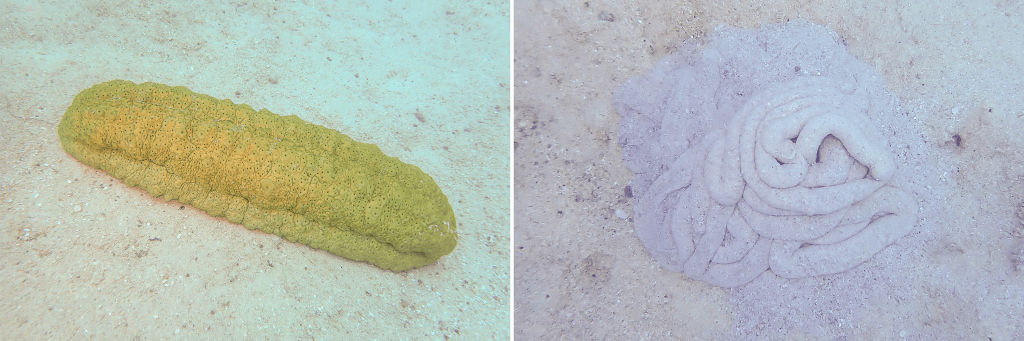
Fiji – Yasawas Part 1

I went to Fiji in November of last year, but I’m finally getting around to writing it up. The next few posts are heavy on the photo dumps, which seems to be my default when I spend most of my vacation in the water.

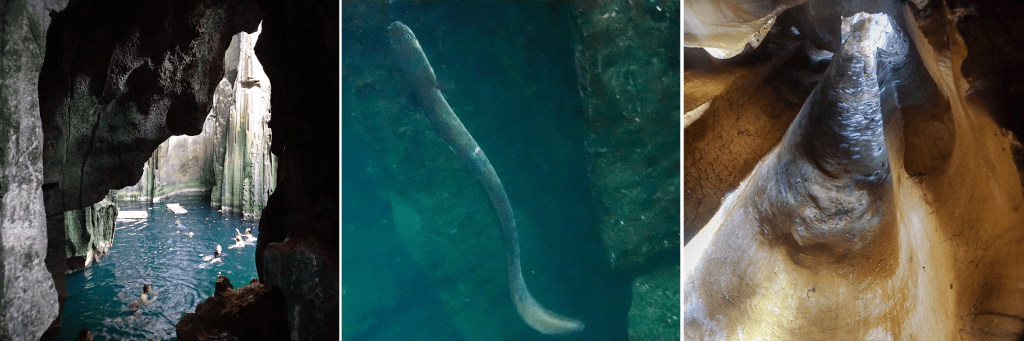
For this trip, I headed to the Yasawa Islands arc that stretches up in a curve from the western side of the main islands. At the very top are the Sawa-I-Lau caves. Tourists are only allowed in the first two caves, the rest are considered sacred and only locals may enter them. To get from the first cave to the second, guides helped me swim through a six-foot underwater tunnel. One gave me a big push while another pulled me out on the other side, so all I really had to do was hold my breath and kick. It was a bit nerve-racking going in, but easier on the way out since I could swim toward the light. This island is made entirely of limestone, while most of the surrounding islands are volcanic. For me, the most interesting part of the caves was a freshwater eel swimming in the brackish water. I asked a lot of questions about it, but no one had any answers, only assurances that it would not hurt me.

first cave, freshwater eel in the cave, cave skylight after swimming underwater in the second cave area

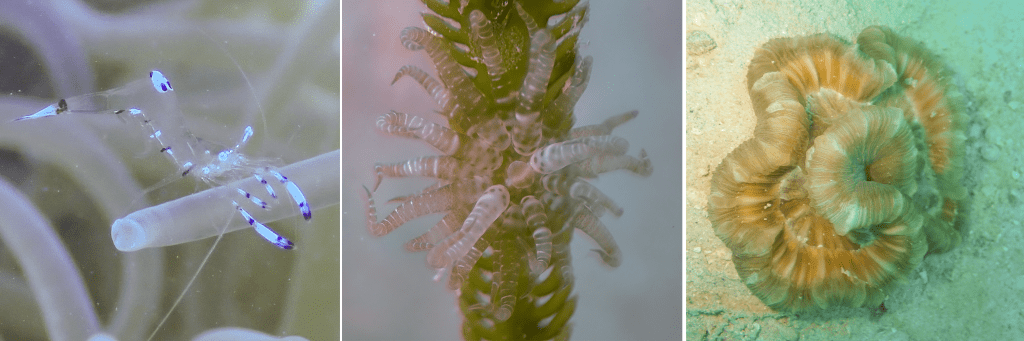
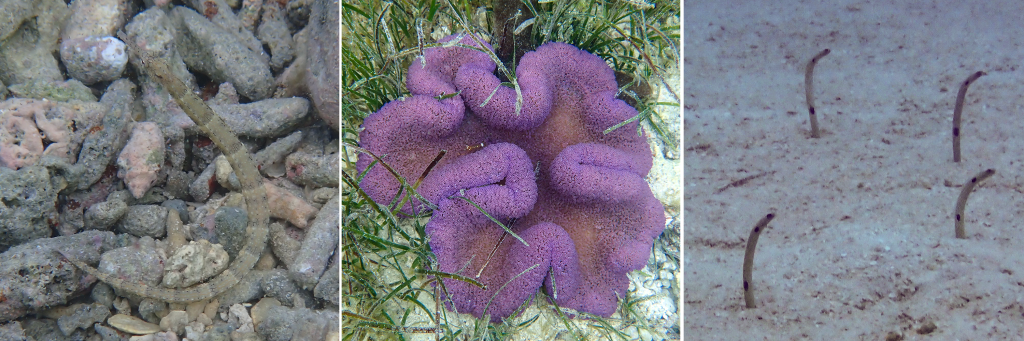
While waiting to take the boat back to the hotel, I found a cute little pipefish in the sandy bottoms. These are related to seahorses, but have a different body shape. Some people get these confused with the tiny eels that live in sandy bottoms (that I saw later on this trip), but they really do have distinctive postures and head shapes. That purple blob in the photo caught my attention too. At first I thought it was a soft coral, but when I got closer I could see it was covered in tiny tentacles. It is always fun to come across organisms that look completely different that what you expect.

Reeftop Pipefish, Haddon’s Anemone, Spotted Garden Eel

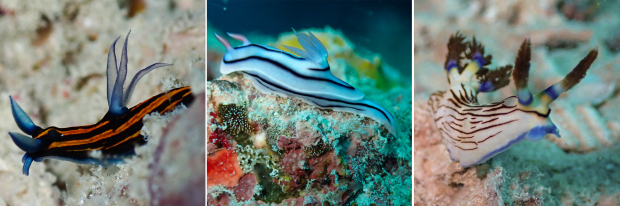
I went to Fiji because I got a great deal on a direct flight and because it’s at the very edge of the Coral Triangle. I’m always looking for nudibranchs and figured I would find a few. While there, I also decided to get my Advanced Open Water certificate so that I can dive slightly deeper dives (up to 30m / 100ft). I ended up being the only student on this trip, so I had a personal guide who helped me spot all these beautiful sea slugs. I had to learn how to do compass navigation and a variety of other skills, but after those were finished, it was all about taking cute photos of underwater life.

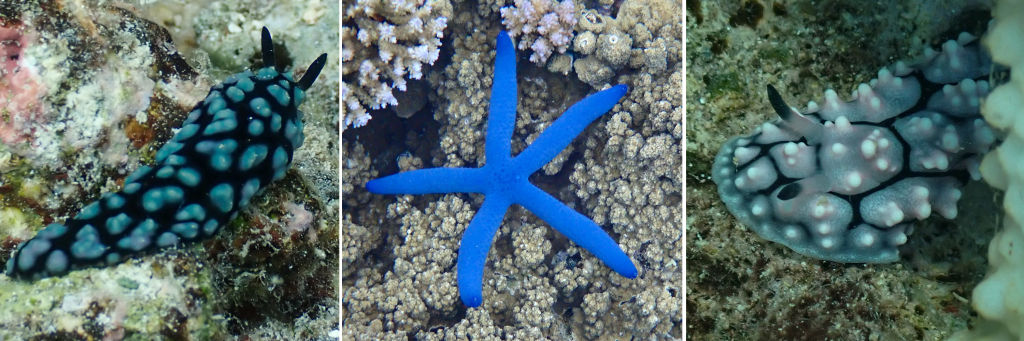
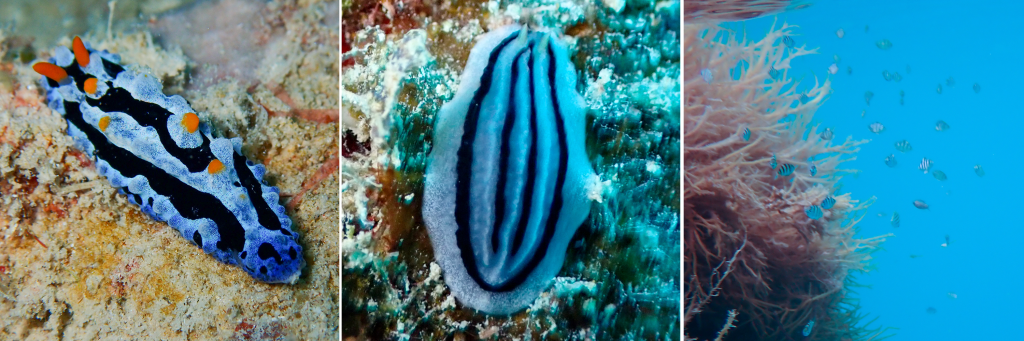
Slender Roboastra, Loch’s Chromodoris, Lined Nembrotha

Sky Blue Phyllidia, Striped Phyllidiopsis, Baby Sergeant Major Fish

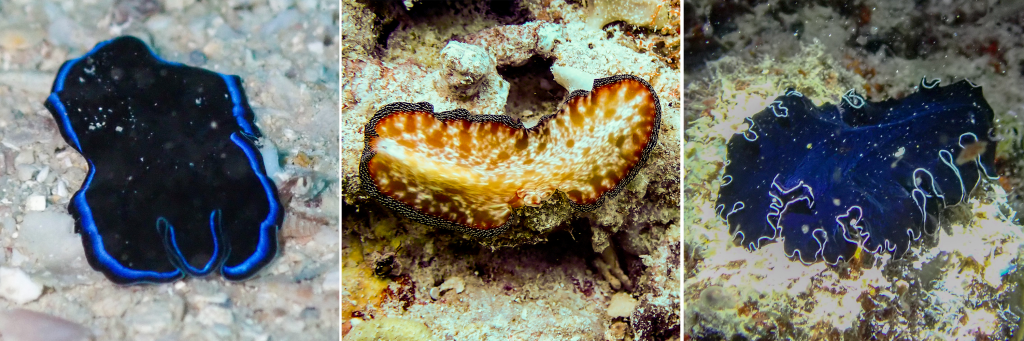
In addition to nudibranchs, there were also a bunch of flatworms which are also extremely impressive and come in a variety of shapes and colors. The one in the middle was surreal and only a few inches long. We looked it up in dive book and although the genus is known, it’s still an undescribed species (or was when the book was published).
Sapphire Flatworm, Pseudobiceros sp., Family Pseudocerotidae

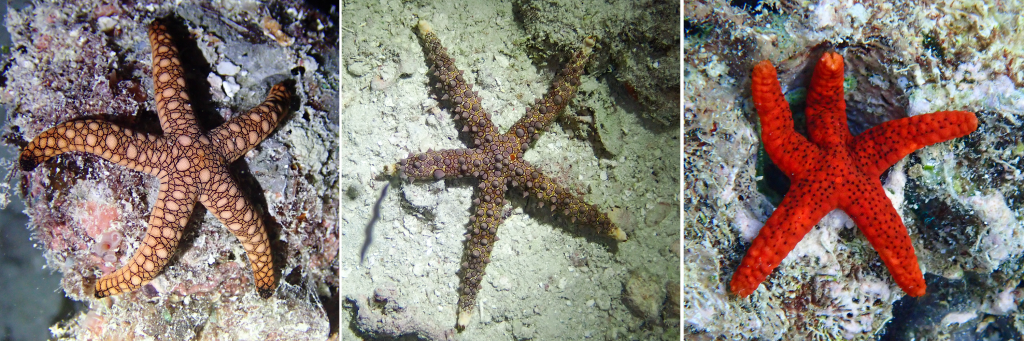
Sea stars also come in an amazing variety of shapes, sizes, and textures. All three of these were new to me!

Indian Sea Star, Egyptian Sea Star, Thousand-Pores Sea Star

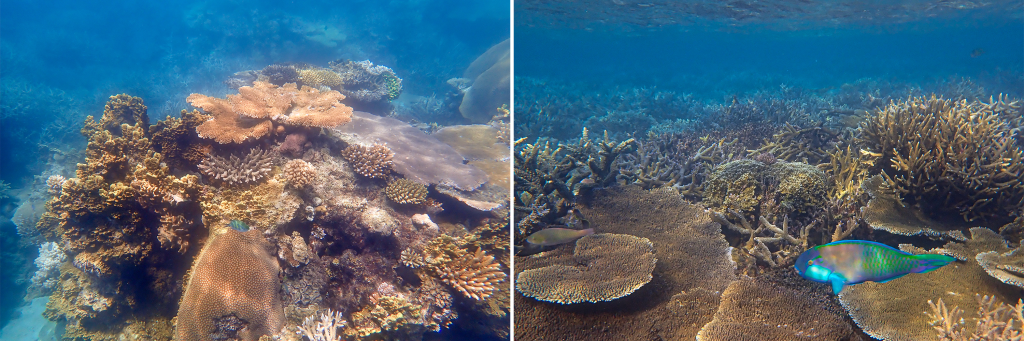
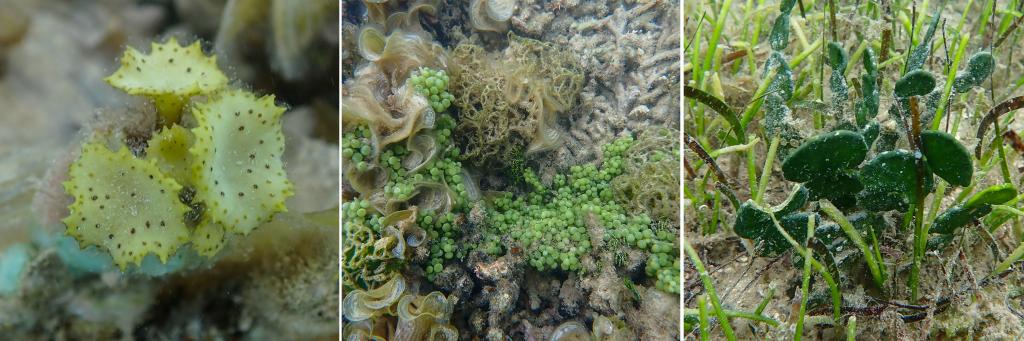
In addition to all the diving, I also did a fair amount of snorkeling. The corals next to the resort were pretty shallow and most of the days, the waves were calm. Usually I think of algae coming in red, green and brown varieties, so it was a bit of a shock to see the yellow one below. It looked like an underwater succulent in bloom. This species actually grows quite tall, but this one was just a baby. For the record, even though it was yellow and green, it does, in fact, belong to the brown algae family.

Ornate Turbanweed, Sea Grapes, Pennyweed

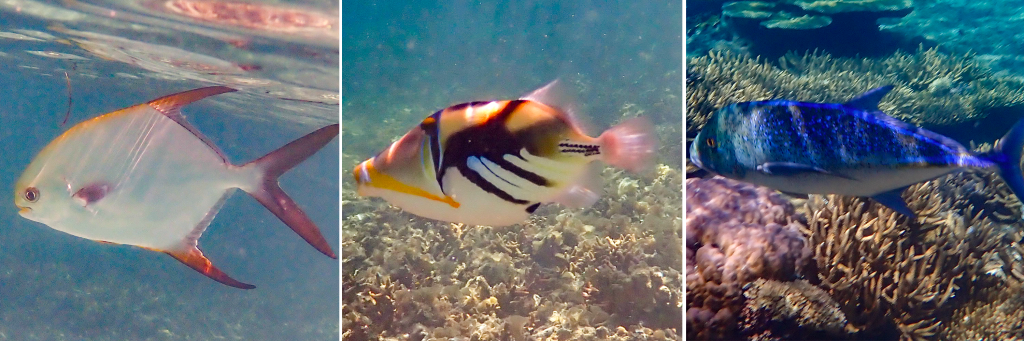
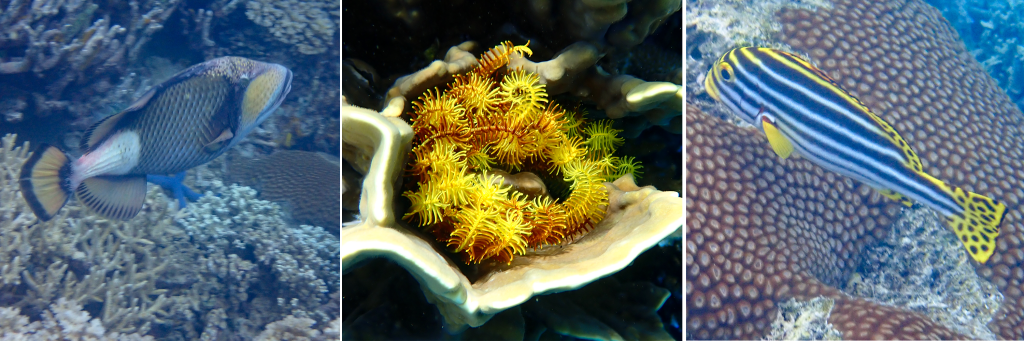
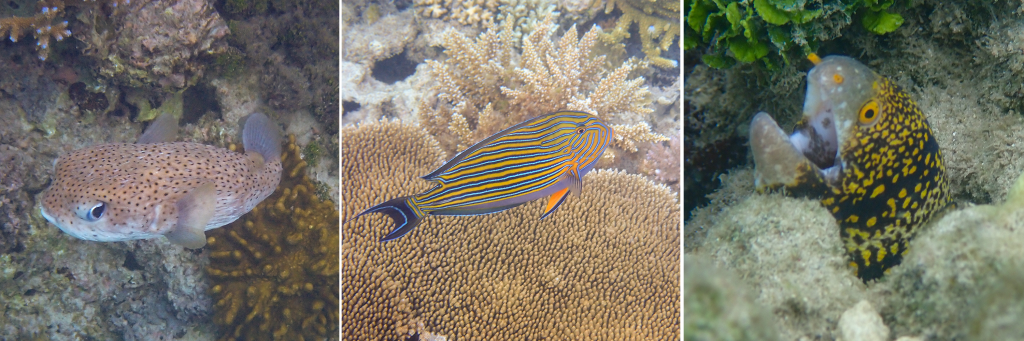
Here’s a small selection of fish from snorkeling. The more time I spend in the water, the more different species start to reveal their distinct personalities. I’ve seen porcupinefish all over the world, but they are almost always tucked underneath rocks or along reef walls. If you get too close, they retreat further into hiding, but otherwise they tend to stay in one place, quietly watching and waiting. On the other hand, flashy surgeonfish are zipping around all over the reef like they can’t stay in one place. The morays are always wedged into the rocks, mouths open waiting for something to swim by.

Spotted Porcupinefish, Striped Surgeonfish, Snowflake Moray

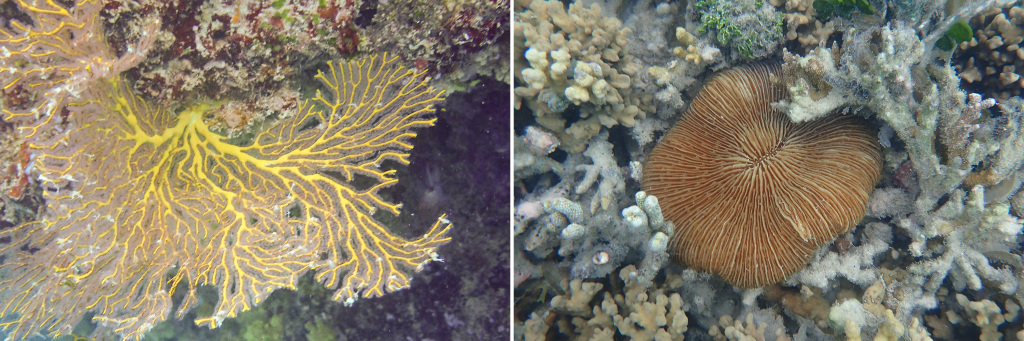
Of course, there was coral everywhere and this yellow fan coral stood out because of its bright coloration.

Knotted Fan Coral, Lithophyllon concinna

However, the star of the show was this color-changing coral. These belong to the genus Cladiella and the coral retracts its feeding polyps when it’s touched, which causes its color to change.

Blushing Corals (genus Cladiella)

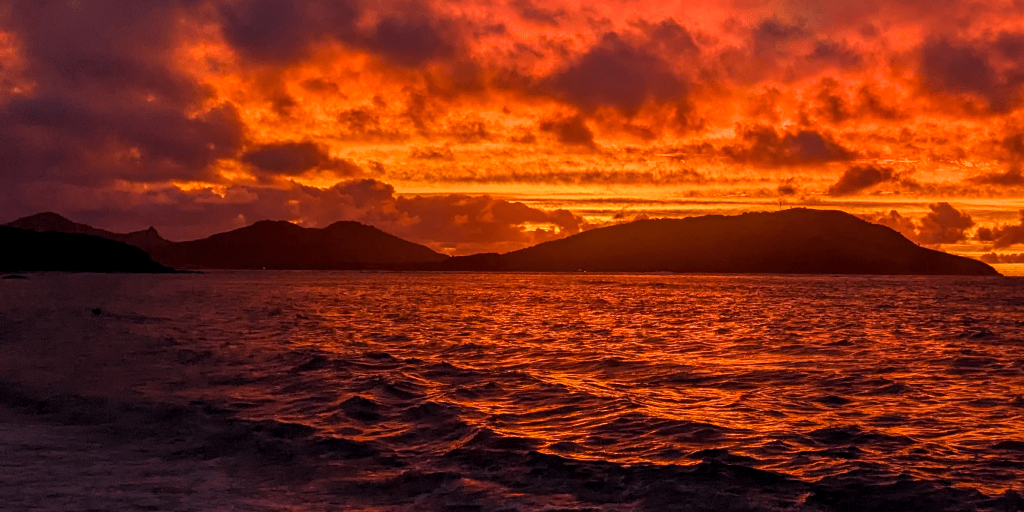
As part of my Advanced Open Water certification, I asked to do a night dive since I had never done one before. I’ve always enjoyed night snorkeling because all kinds of critters come out at night that don’t appear during the day. While waiting for my boat to be ready, the Fijian sunset was incredible. #nofilter

absolutely stunning Fijian sunset – on the way to the night dive

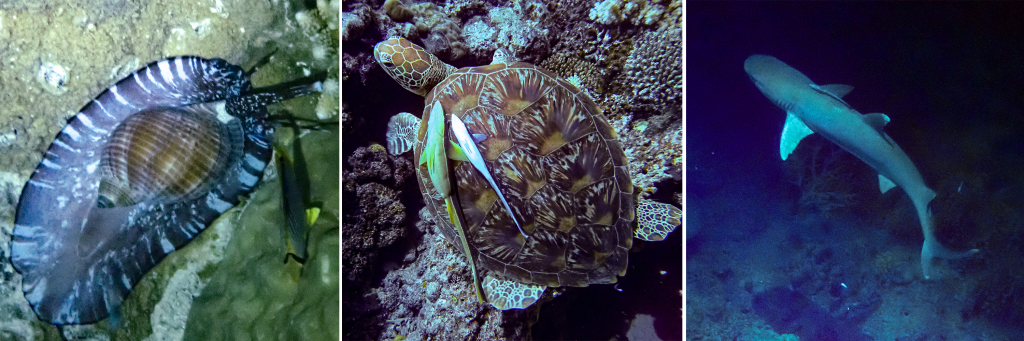
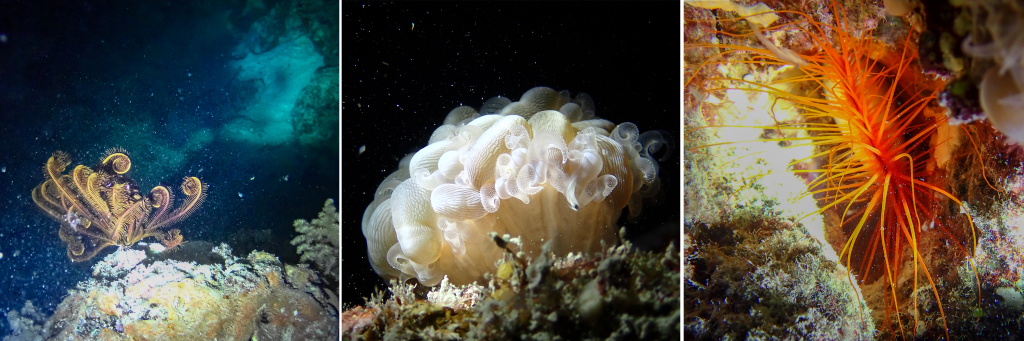
Eventually, my guide and captain sailed us over to the dive site. This was, by far, my favorite dive of the entire trip. Diving at night, illuminated only by bioluminescence and flashlights, is awesome. Here are my top three favorite photos from the dive, especially the one in the middle. Bubble coral is pretty easy to see during the daytime, but the pointy tentacles underneath only come out at night. The clam on the right is actually bioluminescent, and I wish we had turned off our flashlights to see its colors. However, to get that photo, my guide was illuminating it from below, and I was upside down, holding on to a rock, attempting to get my camera into position inside a hole. The fact that we got a photo at all was kind of a minor miracle.
Bushy Feather Star, Bubble Coral, Electric Fileclam

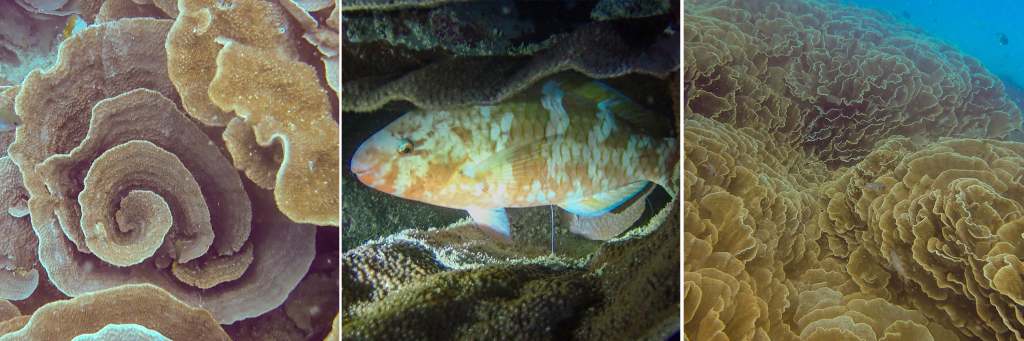
The site is called the Cabbage Patch because of the huge scroll coral. It’s hard to picture how large these piles of corals are, but the giant rosettes are easily two to three times the size of a human. During the day, all kinds of life hang out inside the whirls, but at night, the parrotfish settle in for a nap.

Cabbage Coral (a.k.a. Yellow Scroll Coral), sleeping Blue-barred Parrotfish, more Cabbage Coral

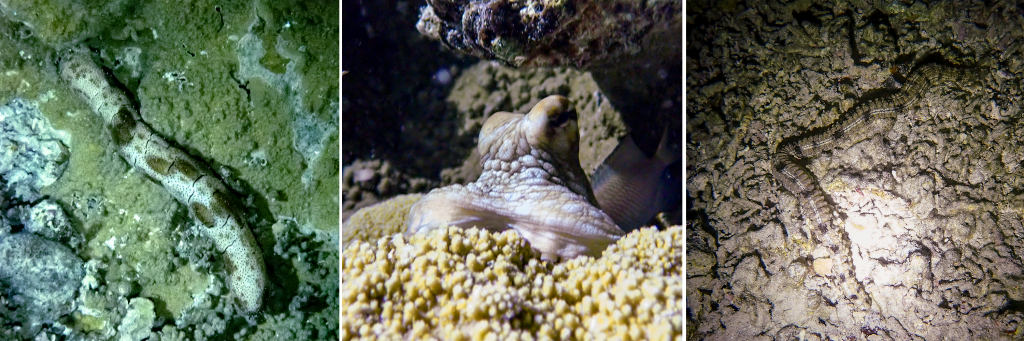
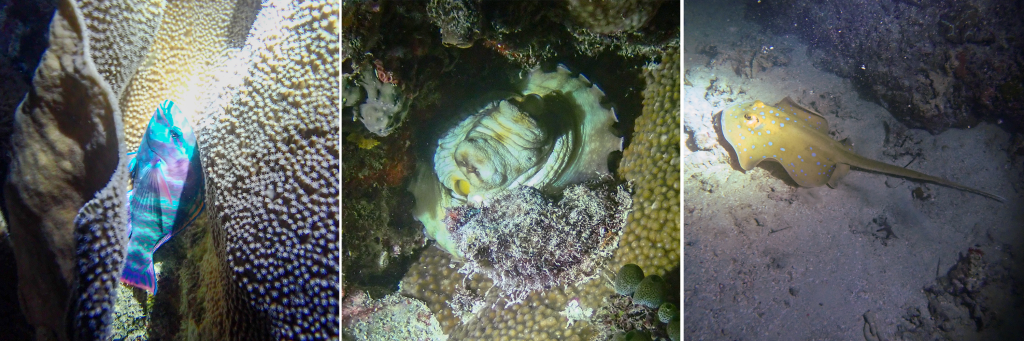
In addition to the sleeping fish, I found an octopus, which ironically is known as the Day Octopus because it’s one of the few octopus species that is actually diurnal instead of nocturnal. The manta rays also get more active at night; this one was roaming all over the place. During the day, these are usually nestled into the sand.

sleeping Yellowbar Parrotfish, Day Octopus, Oceanic Fantail Ray

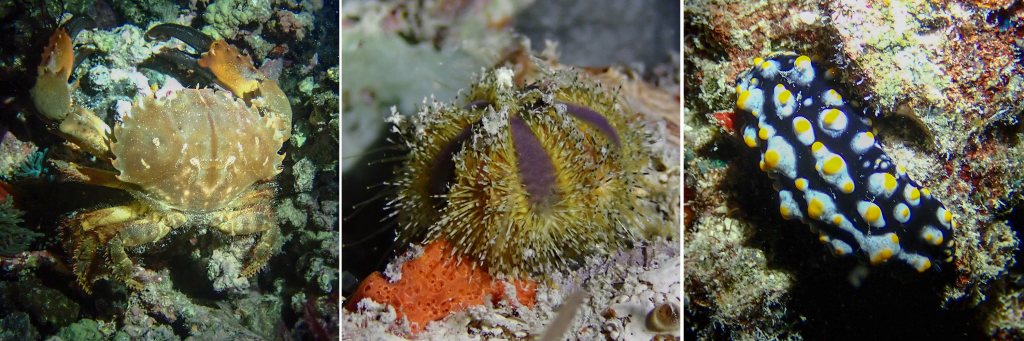
High up near the top of the cabbage coral, we found this foot-long crab crawling along as we were doing our safety stop near the surface. Earlier, I’d found the cool green and purple urchin and my guide had spotted one of the fried egg nudibranch species.

Sawedged Spooner Crab, Globe Urchin, Phyllidia Nudibranch

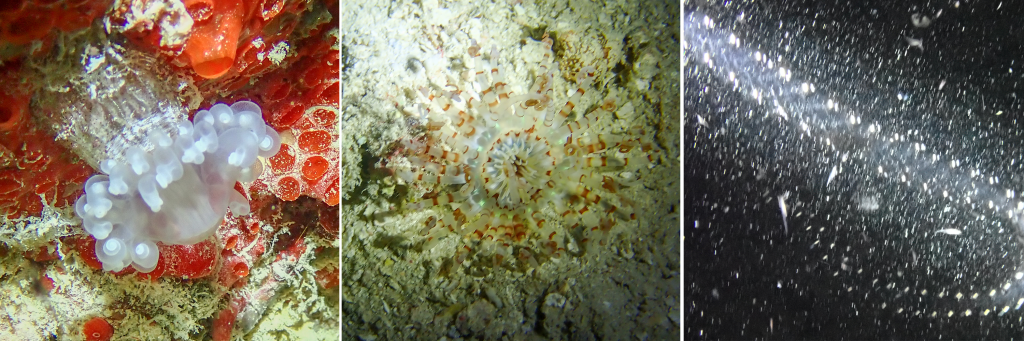
I still have no idea what kind of cnidarian is in the first picture below. It looks a lot like the tentacles on a bubble coral, but could just as easily be an anemone. If one of you knows what it is, please leave me a comment. I also saw my first night anemone. My guide didn’t know what it was, so it was fun to be able to identify something for him. Although it’s a super blurry photo, it was exhilarating to see a siphonophore up close. I teach about these in my Marine Biology class and they really are a strange group of colonial cnidarians. They are made up of multiple individual organisms working together as one colony. Some parts help it to feed, some parts keep it afloat, but all of the parts share nutrients and resources. The Portuguese Man O’ War is probably the most commonly known siphonophore, but I always imagine them looking more like the one below.

Anemone or Coral?, Night Anemone, Siphonophore

I wholeheartedly recommend night diving. It’s definitely worth the hassle and cost. Well, that about sums up my first stop in Fiji, more photos of marine life coming soon. 🙂

Xiao Liuqiu & Kaohshiung

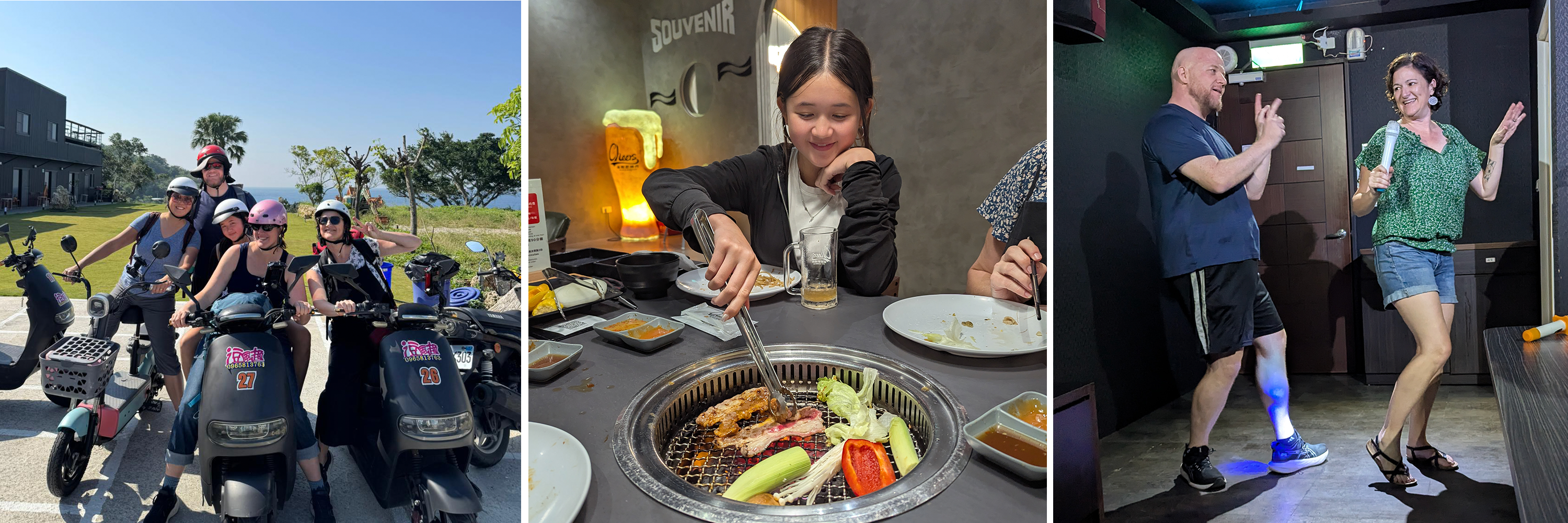
This mini island (off the main Taiwanese island) has a bazillion spellings of its name, but regardless of the name, going there had to be one of my favorite parts of the trip. We were there during Thanksgiving, which was just a regular week day in Taiwan. Our first stop was renting scooters. Chalida was a bit fearful of the scooter, so she ended up on an e-bike and her daughter Rory climbed on board behind me. The first day, we went snorkeling and had a delicious BBQ dinner, with Chalida’s friend Nate joining us. The day of Thanksgiving, I got up early to go scuba diving (more on that below), while the rest of the group slept in. That afternoon, Cassy had a special request that we go to karaoke and after a slow start, everybody got into it.
biker gang, Rory bbqing, Nate & Cassy with amazing karaoke skills

The whole time we were there, we ate so much food, drank so much boba, explored so many beaches, and saw so many green sea turtles.

Nate, Rory, Cassy, me, and Chalida at our last lunch; me & Cassy enjoying a Thanksgiving sunset

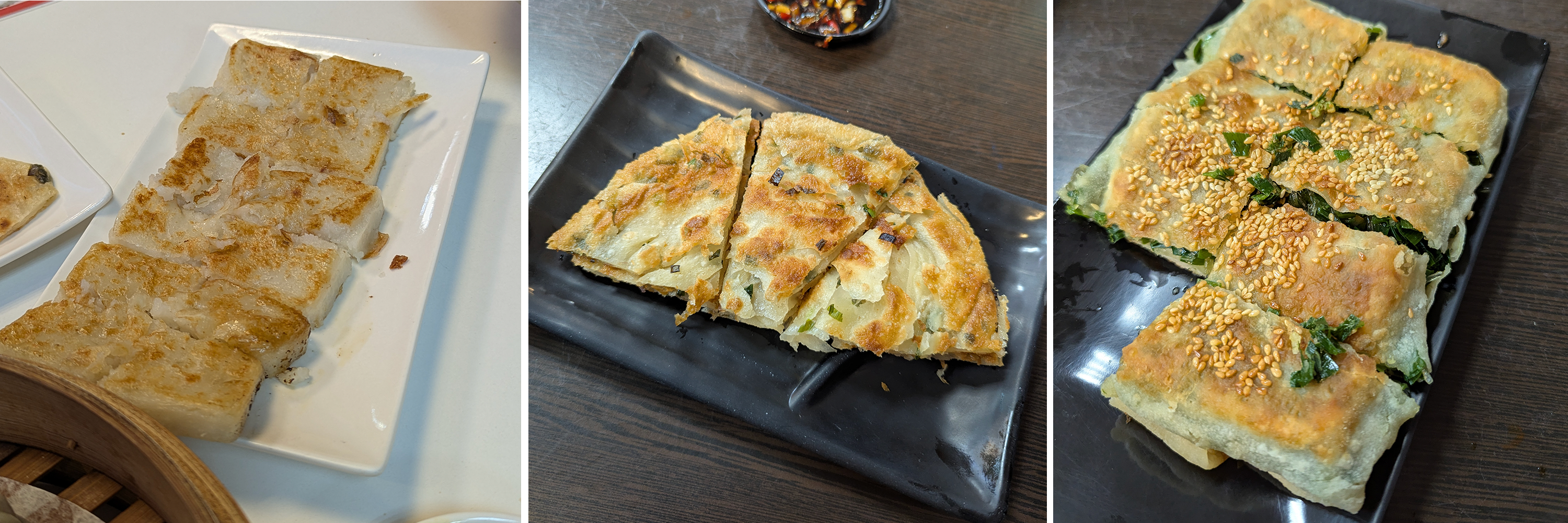
Here’s a glimpse of some of the food we ate. Most of this was from Xiao Liuqiu, but some of it was from earlier and later in the trip.

turnip cake; the best green scallion pancakes; similar to the scallion pancakes, but filled with greens instead

sesame noodles, sweet and sour veggie noodles, poop shaped waffles filled with chocolate

I figured that one of the best ways to keep my fears in check is to keep doing something regularly so the fear isn’t allowed to grow. I checked iNaturalist to see what nudibranchs were around and one of my favorite species had previously been spotted near the island. I definitely wanted to try to find it. It is a beautiful sea slug that looks like its entire back is full of butterfly wings (Cyerce nigricans). I signed up for two dives on the island and had my guide to myself on the first dive. I told her I loved nudibranchs and she asked if I knew how small they are and I assured her that I did. All of these were under an inch small, so she did a great job of finding these.

Black and Gold Sapsucking Slug, Pustulose Wart Slug, Black Margined Nudibranch

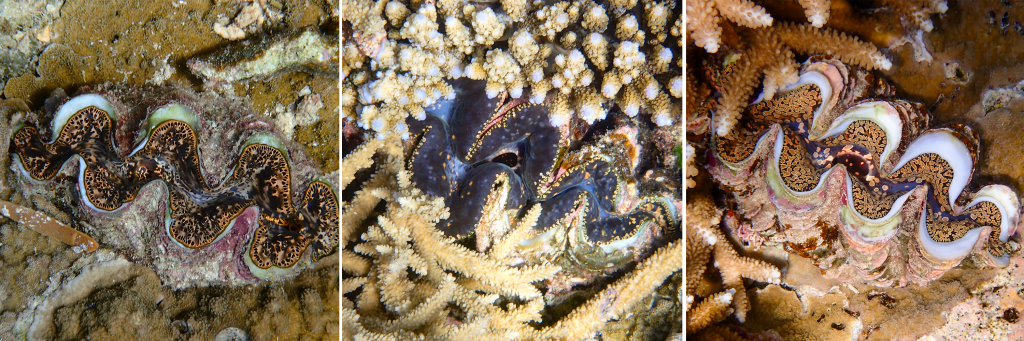
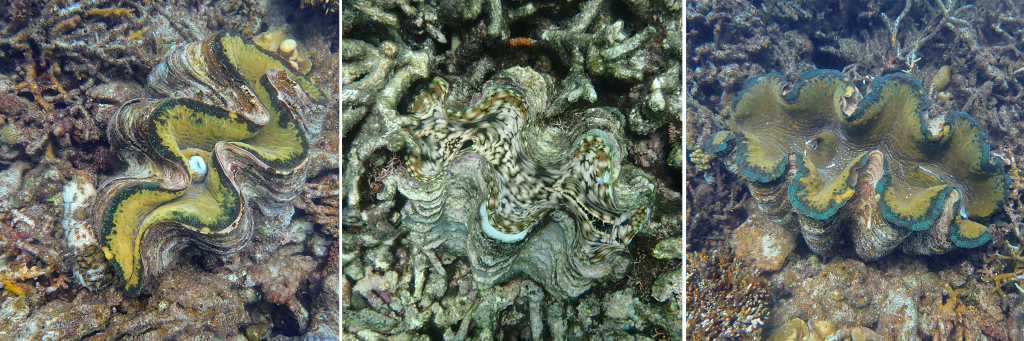
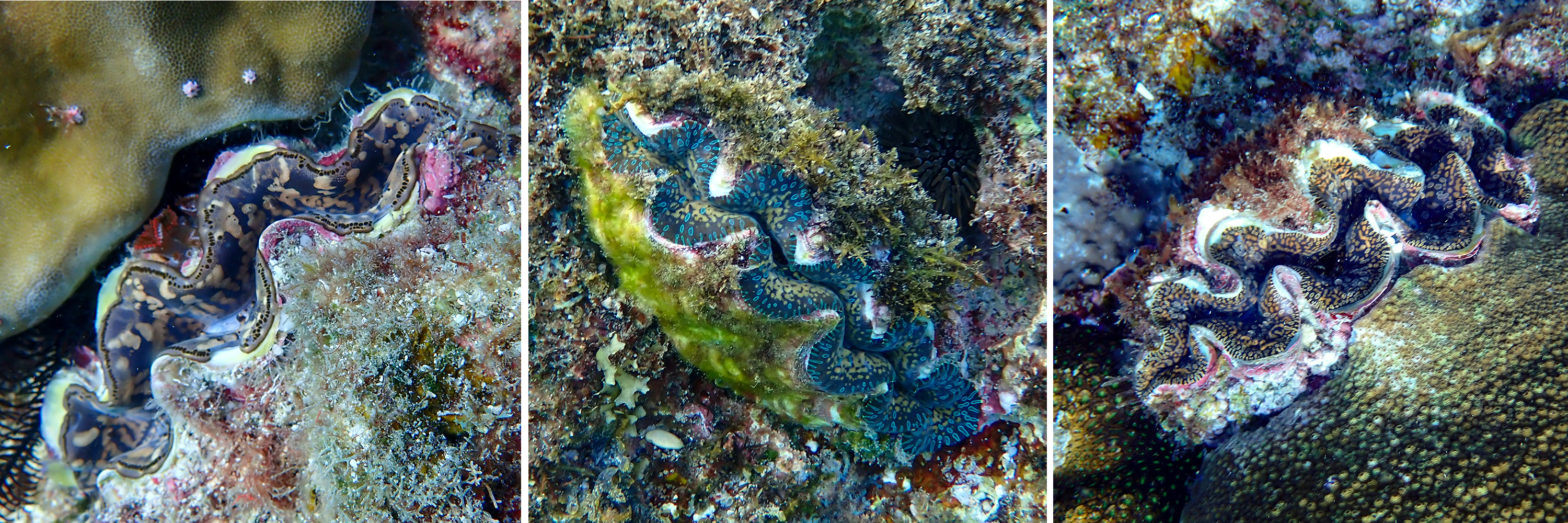
I’m still in love with giant clams, and there were plenty of those to see. The colors and patterns on the inside of the shell are so beautiful.

Small Giant Clam, Noah’s Giant Clams x2

There were also a range of semi-transculent underwater gems.

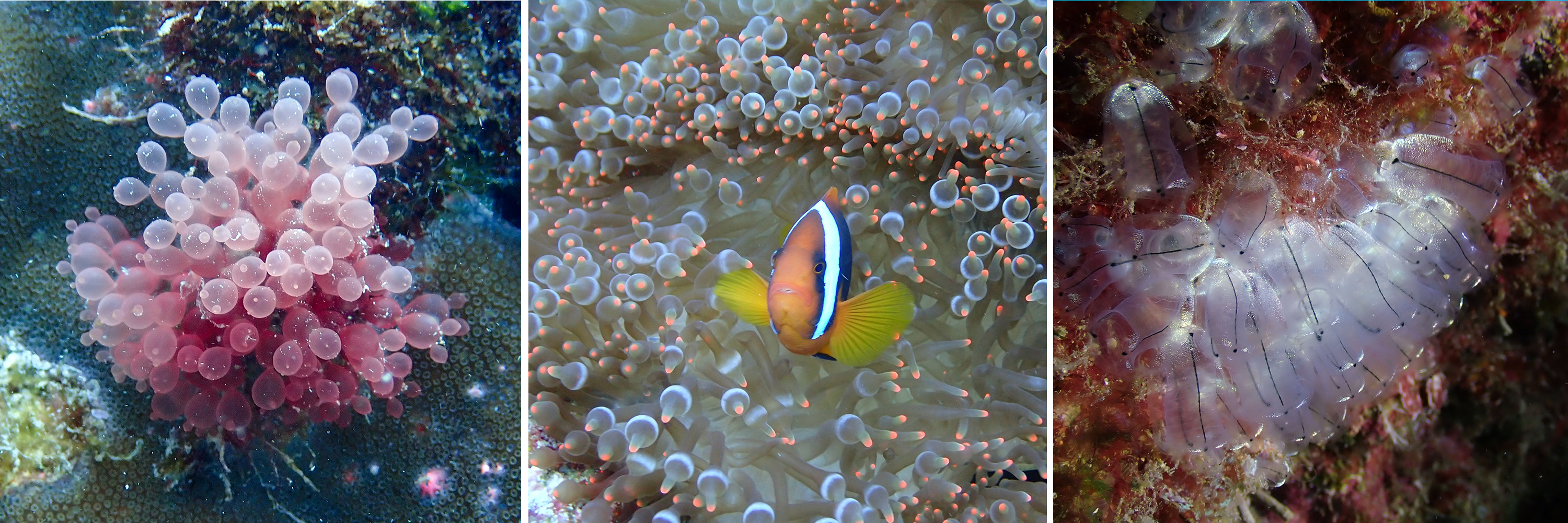
Florideophycean Algae, Clark’s Anemonefish, Tunicates

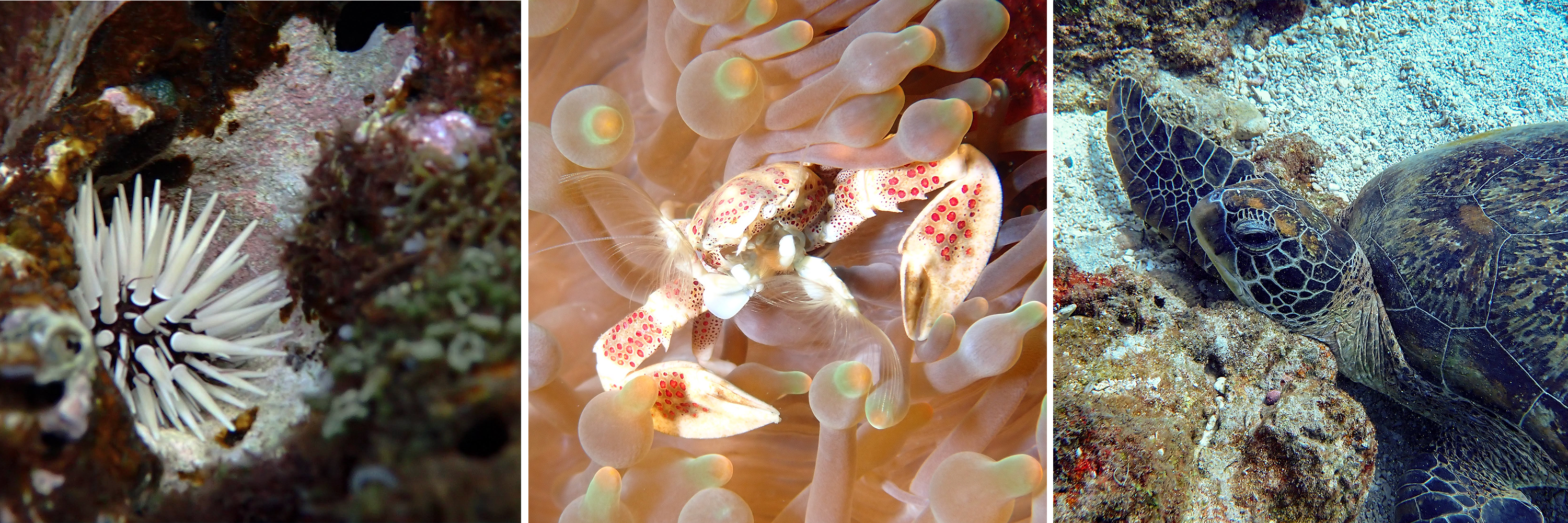
We have purple sea urchins in the United States, but white ones aren’t that common. Also, as mentioned earlier, there are green sea turtles all over this island. It’s practically impossible to get in the water and not see one.

Indo-Pacific Rock Boring Sea Urchin, Porcelain Anemone Crab, Green Sea Turtle

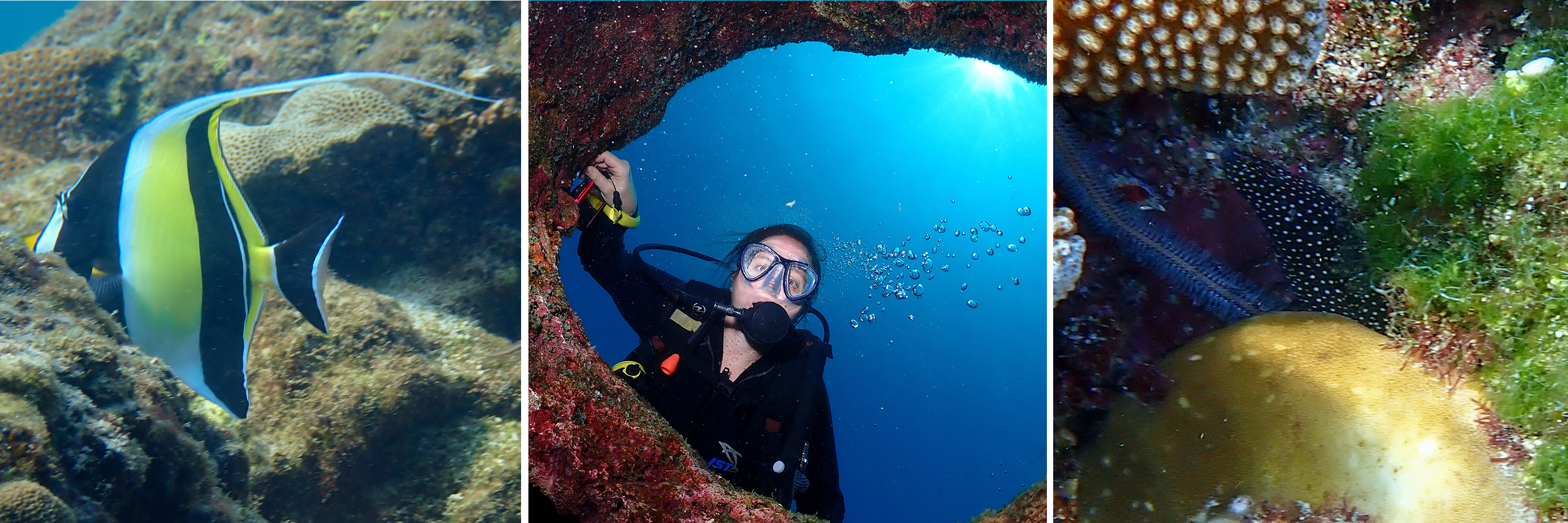
I actually found the eel in the picture below. I got my guide’s attention to show her, but I really didn’t know the hand signal for eels, since I’m so new to diving. I gestured for her to come over and she was excited that I found it. The signal is to stick your fingers and thumb out and then bring them together so it looks like the mouth of an eel eating.

Moorish Idol, me scuba diving, Whitemouth Moray Eel

Since it was getting close to Christmas, I took some time to capture these Christmas tree polychaete worms. If they get spooked, they disappear back into their tubes, so you have to approach slowly and carefully and stay a bit of a distance away. I realize they don’t look much like worms, but the rest of their bodies are hidden inside the tubes.

Christmas Tree Worms: white, red, and blue

While the rest of the group headed back to Taipei, I stopped for a day in the city of Kaohshiung. It’s way more laid back than Taipei and had a lot of nice bike trails. The first night I wasn’t up to doing too much, so I walked along one of the rivers in town to check out the artwork and fancy buildings.

art sculptures near Pier 2, Kaohshiung Music Center lit up in Christmas colors

The next day I got up early and headed out on some bicycle explorations. As I was biking along the river, I stopped to watch a dragon boat race competition. I visited another Hakka Museum that had more information than the one we had visited in Taipei. I also went to the Art Museum and headed over to a flea market full of the most random items: sculptures, rocks, wooden bowls, mannequins, books, antiques, food, cheap souvenirs. It was a total hodgepodge of items, just like flea markets everywhere I suppose.

dragon boat racing, traditional Hakka clothing, goods for sale at the flea market

Cijin Island is a cute micro-island off the big island of Taiwan. After all of my other explorations, I took a ferry across to the island and then rented a city bicycle to ride the beautiful bike path going from one end to the other (about 15 km round trip). There’s a bunch of art sculptures along the way, as well as one super windy spot where people were flying kites. I made sure to stop in at Douliu Ice Town to try one of their peanut ice cream sandwiches before I got back on the ferry. I grabbed my backpack from the hotel and lugged it to the train station and hopped on the high speed train back to Taipei.

kite flying, giant shell art, peanut ice cream sandwich

Scuba Diving in Sangalaki – Part 2

Here’s the second blog post filled with marine creatures from Indonesia. Remember you can click on an any image if you want to see it in more detail. First up are the arthropods – lots of crabs, shrimp, and lobsters.

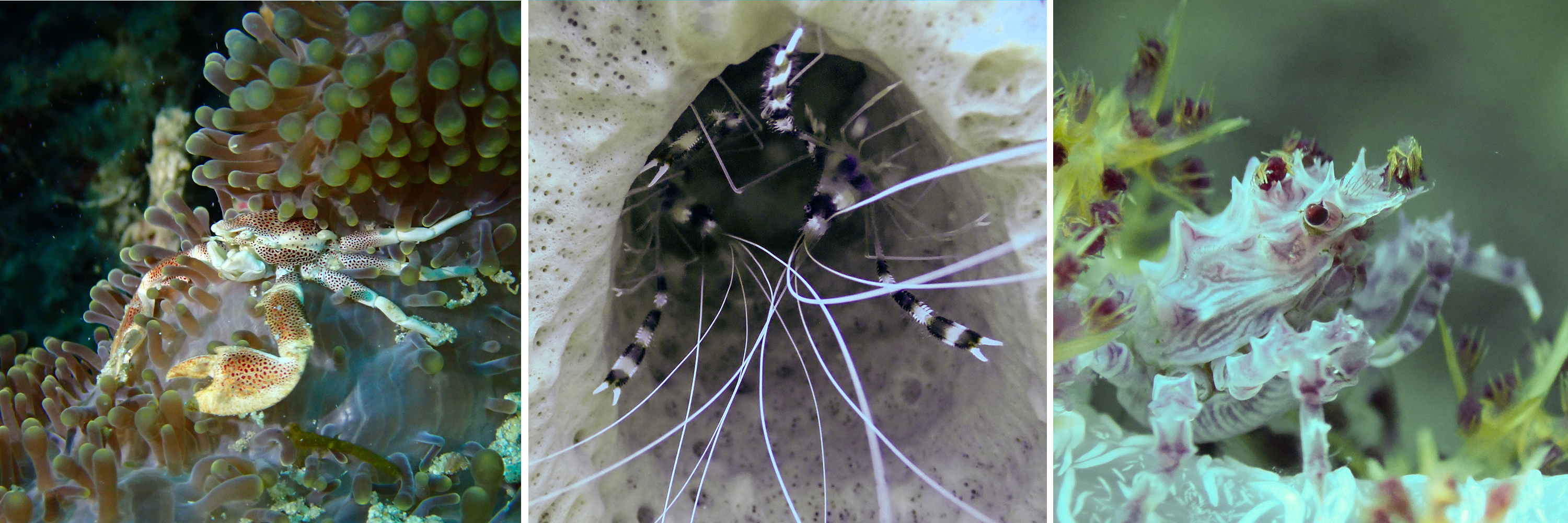
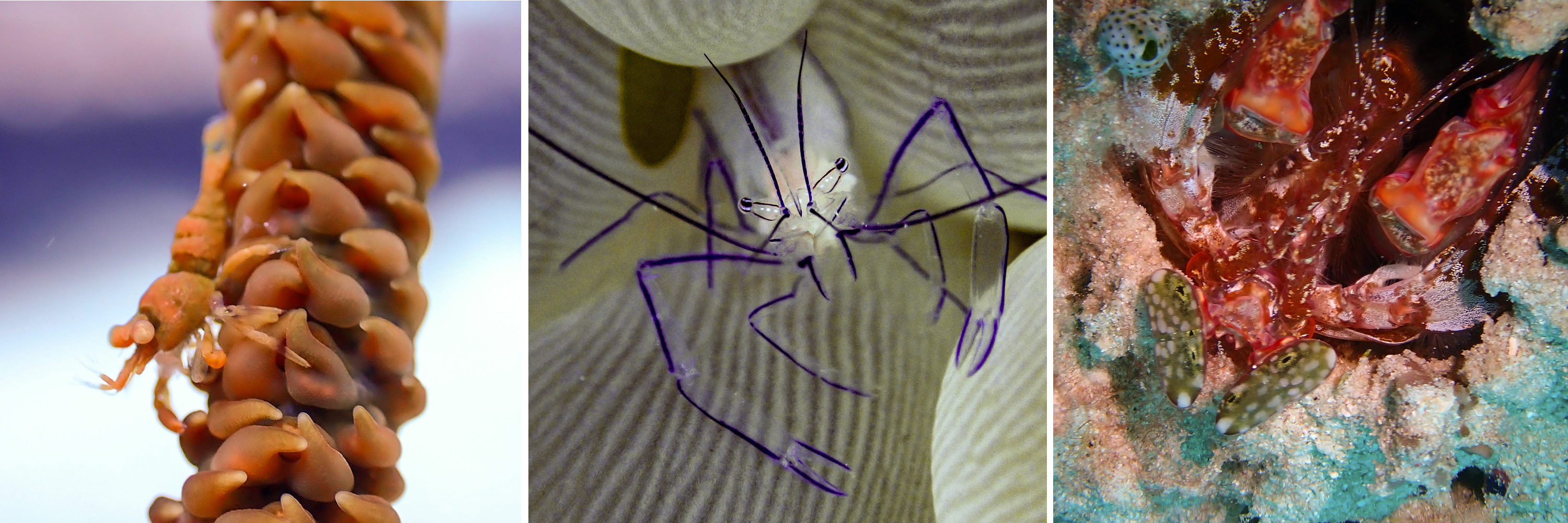
Anker’s Whip Coral Shrimp, Bubble Coral Shrimp, Lisa’s Mantis Shrimp

Hamodactylus boschmai, Baba’s Crinoid Squat Lobster, Squat Anemone Shrimp

Anemone Porcelain Crab, Banded Coral Shrimp, Soft Coral Crab

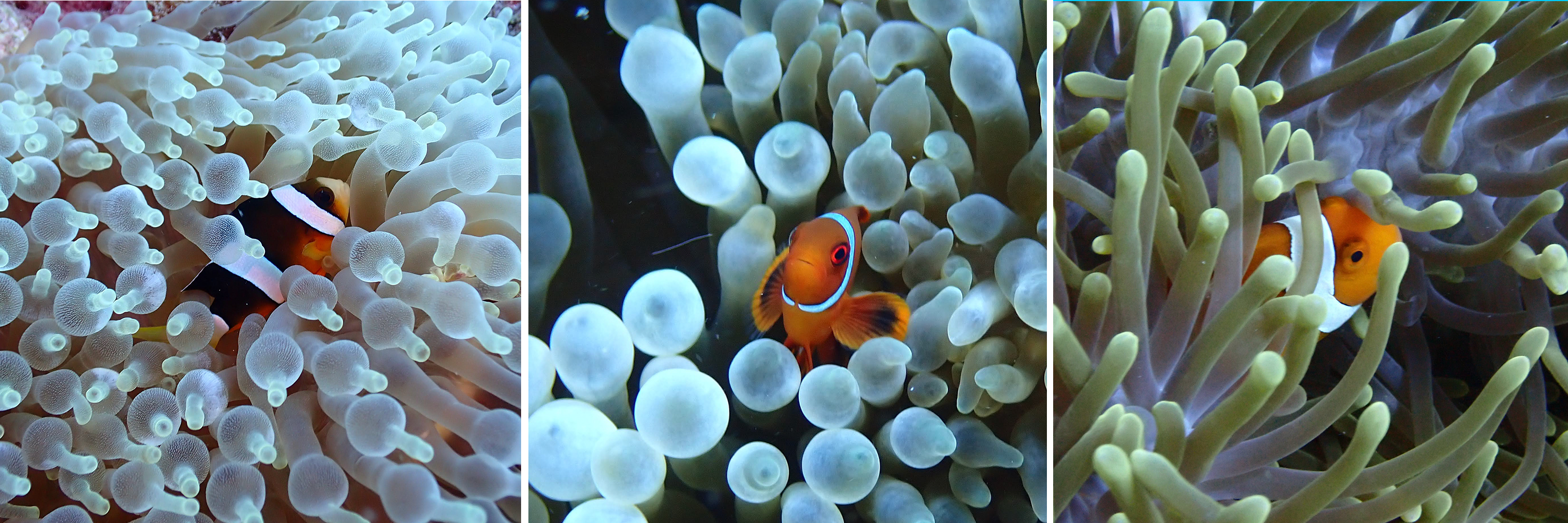
And now, a cute collection of clownfish.

Clark’s Anemonefish, Spine-cheek Clownfish, Ocellaris Anemonefish

Followed by some cuttlefish and a turtle. Most cuttlefish I’ve seen in aquariums are quite small, but these are a couple feet in length. They are incredibly still and you could swim right by one and not even notice. In fact, on my first dive I saw one and grabbed my guide’s leg to get his attention. He thought I was in some kind of distress, but quickly calmed down when he saw the cuttlefish I was fangirling over.

Needle Cuttlefish, Unknown Cuttlefish, Hawkbill’s Sea Turtle

There were also rays and eels.

Bluespotted Fantail Ray, Common Moray, Oriental Bluespotted Maskray

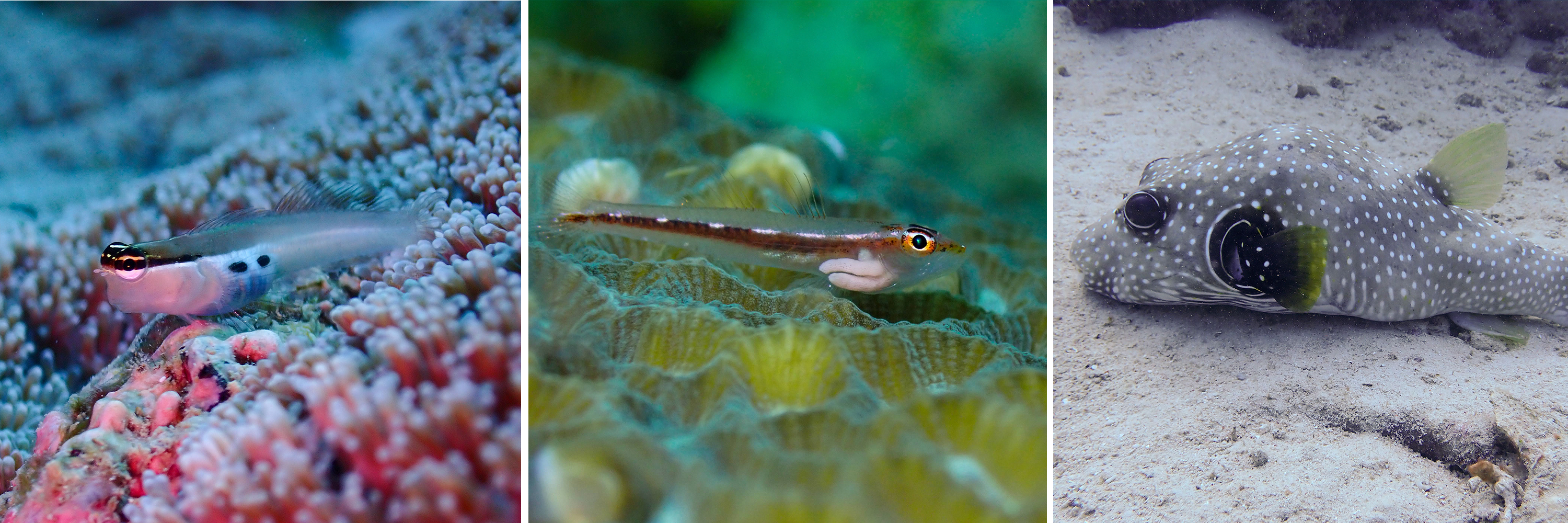
And lots and lots of fish.

Twinspot Blenny, Many-host Ghostgoby (with parasites), White-spotted Puffer

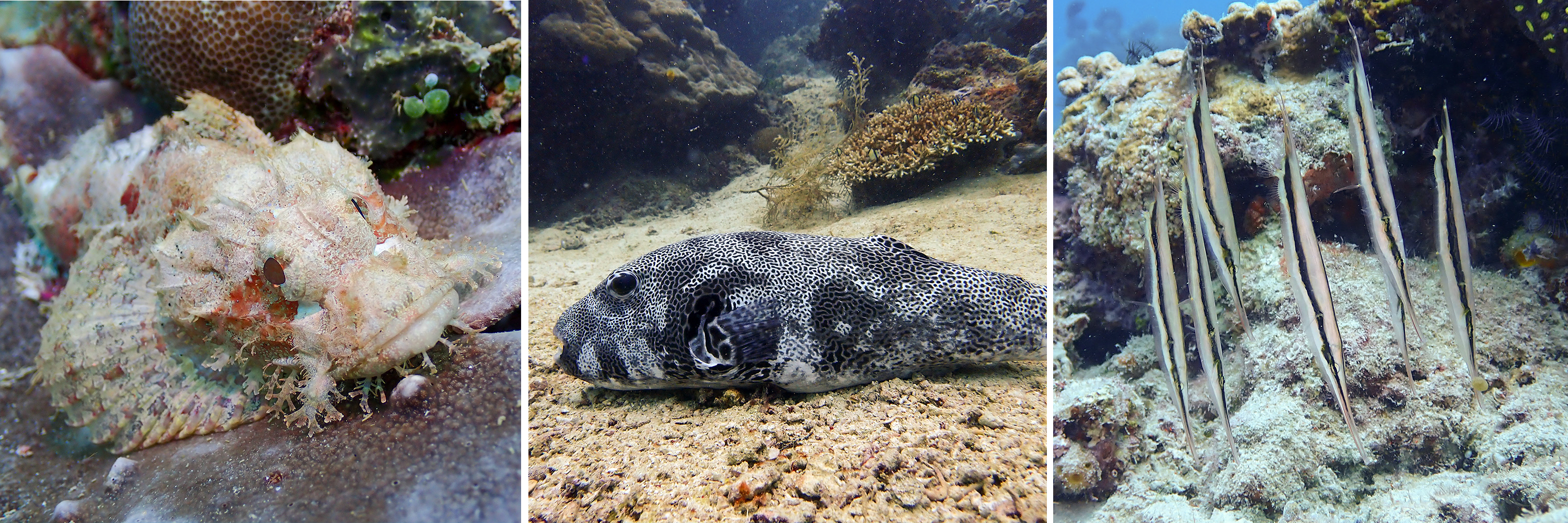
The crocodile flathead was a new one for me and I have so many questions about how the flap of skin over its eyes help or harm its vision. The harlequin sweetlips swims like a bat out of hell (see video below). My guide Maja took the photo of it where it looks so calm and I still have no idea how he did it, because it almost never stops moving.

Crocodile Flathead, close-up of its eye, Harlequin Sweetlips

Smallscale Scorpionfish, Starry Puffer, Jointed Razorfish

Moorish Idol, Forceps Butterflyfish, Pacific Trumpetfish

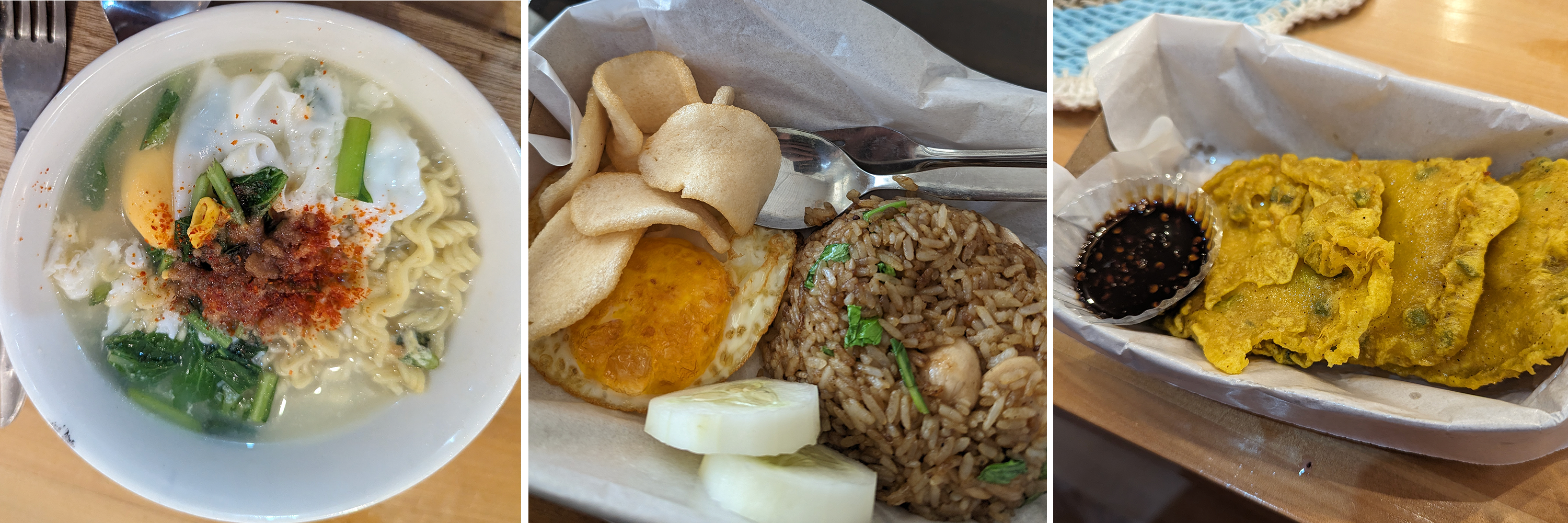
In Jakarta, there were always plenty of vegetarian options, but on Derawan Island, there was a lot less choice in general because the island was so tiny. However, I found a few places that offered up rice and noodle dishes that were meat-free. I ate a lot of tempeh while I was there for protein.

indomie kuah (noodles), nasi goreng (rice), tempeh mendoan (version 1)

fancy dessert, indomie goreng (fried noodles), tempeh mendoan (version 2)

Scuba Diving in Sangalaki – Part 1

After getting my scuba certification while I was still in graduate school, I never went diving again. I did my certification dives in cold Monterey, California and when they had me clear my mask, it freaked me out to have my nose in such freezing water unable to breathe. I kept popping up to the surface because my weights were off and, at the time, I decided it was an expensive sport that I couldn’t really afford anyways.

However, when I was planning this trip, I realized I probably was just hiding behind my fears and I should try and tackle them. I booked a five-night stay on Derawan Island with scuba dives planned for three times a day with a private refresher lesson on the first day. I definitely was nervous and uncomfortable and right before we were supposed to go down, I had a very clear moment of “oh, hell no, I’m not doing this.” However, I was able to take a bunch of deep breaths and calm down and my very patient scuba dive instructor Maja helped me get through my initial moment of panic. Funnily enough, as soon as I was underwater, I was fine. I’ve been snorkeling for years and have all the underwater practices of clearing my mask and breathing through my mouth.

Fear is a lurking ghost that hides inside us, haunting our actions, until one day, we push through it and it’s just gone. As soon as I realized I could do it, and how beautiful it was down below, the fear vanished and instead, I was able to just enjoy all the beautiful scenery and marine life. I still struggled to adjust the air in my BCD and it was hard for me to stay still. But those are skills that come with practice and I was already improving in my few days of diving.

view from my above-water bungalow

The next couple of blog posts are just lots and lots of pictures of cool marine life. Remember you can click on an any image if you want to see it in more detail. This post is mostly sea slugs, which is why I ended up in Indonesia in the first place. The Indo-Pacific Ocean has some of the most colorful and diverse varieties of nudibranchs in the world, and I’m positively obsessed with them. Some of these photos are mine, some of them are from Maja.

First up are some lovely tunicates. These are all invertebrates, but they are in the Phylum Chordata because they all have the beginnings of a rudimentary spinal cord called a notochord. They are the invertebrates that are most closely related to humans and these in particular were very colorful.

Golden Sea Squirt, Green Barrel Sea Squirt, Rhopalaea fusca

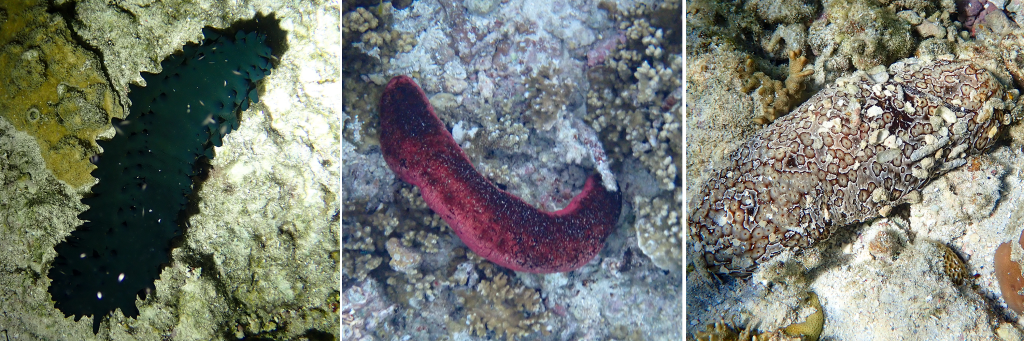
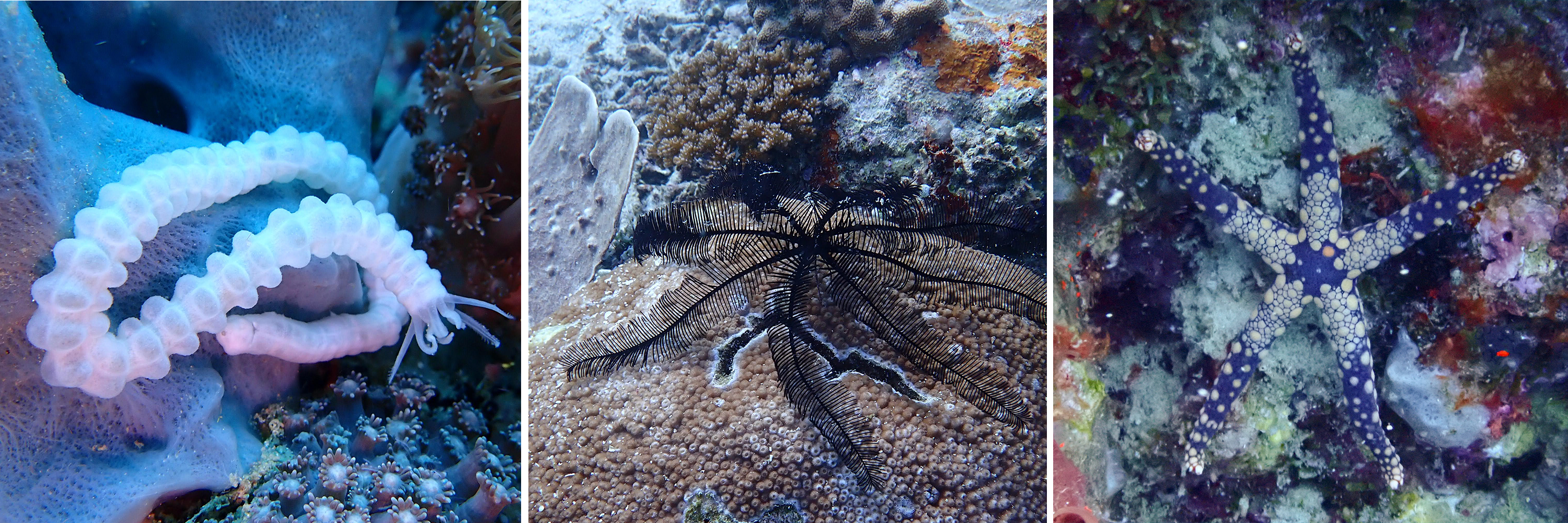
Next up are some lovely echinoderms: one sea cucumber and five sea stars. The variation in shape, size, color, and texture in sea stars is incredible.

Lampert’s Sea Cucumber, Spinose Feather Star, Pebbled Sea Star

Granulated Sea Star, Blue Linckia, Genus Nardoa Sea Star

This is what a sea cucumber looks like when it’s feeding. It uses its mouth parts to bring sand and the detritus it eats into its mouth. Eventually most of the sand comes out the other end and scientists think that at least half the world’s sand has traveled through the digestive tracts of sea cucumbers.

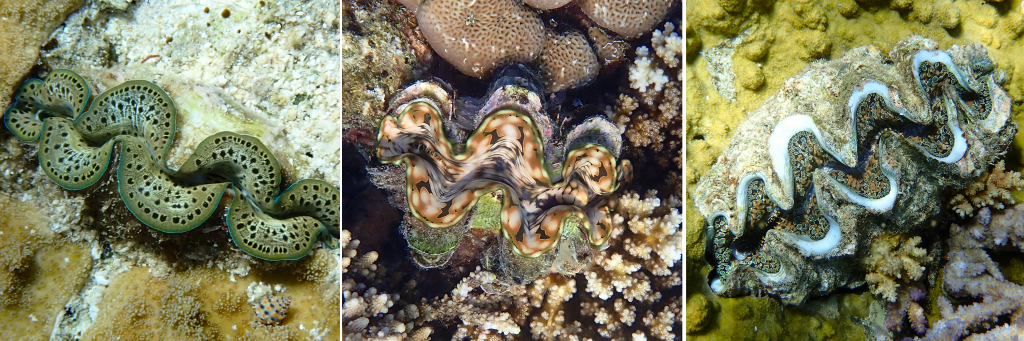
I’m a big fan of giant clams. They are huge, always a surprise, super colorful and patterned on the inside flesh.

Boring Giant Clam, Boring Giant Clam, Fluted Giant Clam

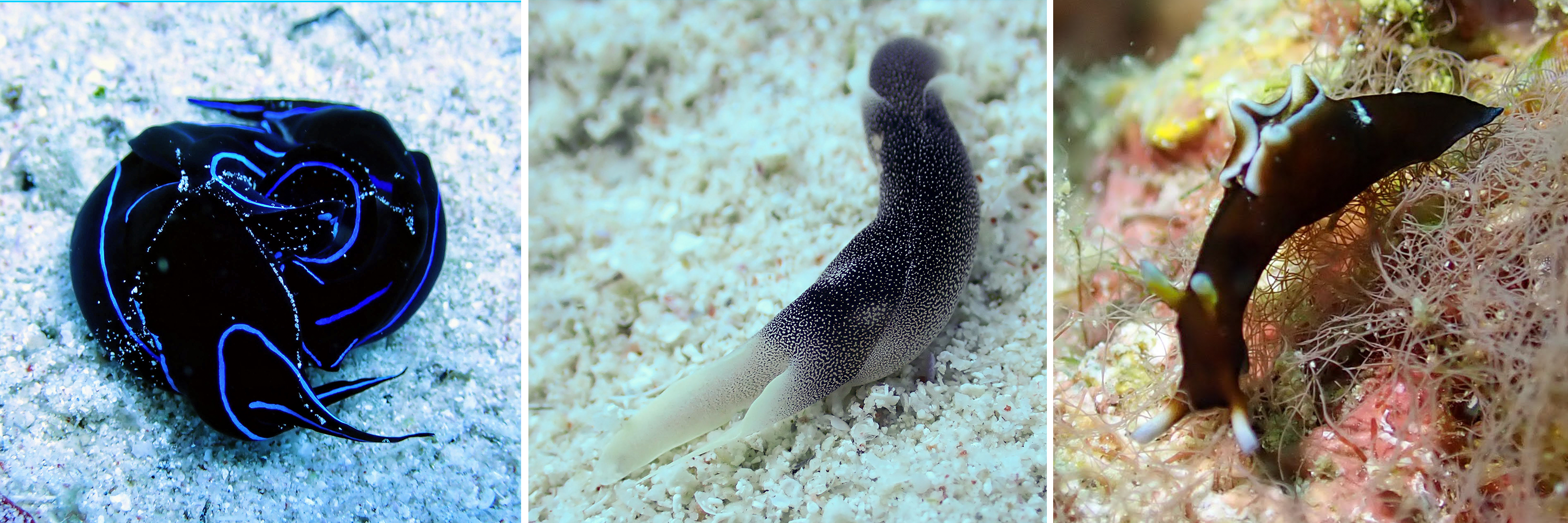
Next are a couple of sea slugs that aren’t nudibranchs and a sea hare, which is pretty closely related to the sea slug family.

Blue Velvet Headshield Slug, Lovely Headshield Slug, Aplysia nigrocincta (Sea Hare)

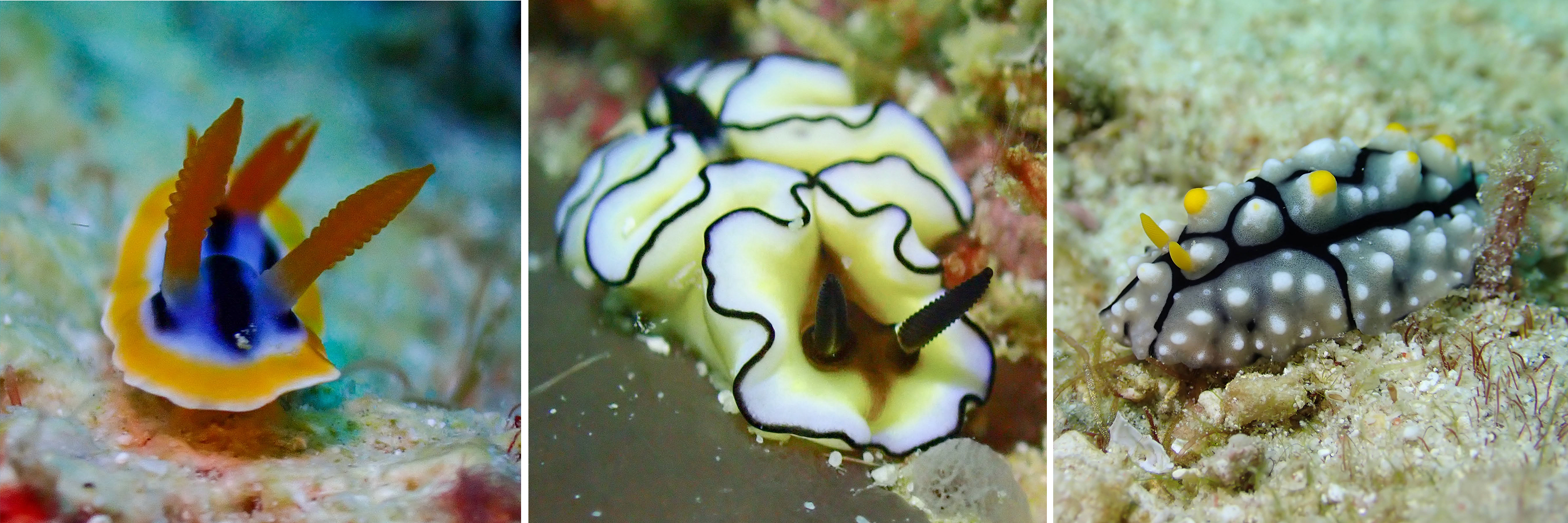
And now, for the stars of the show: the nudibranchs! These are different from other sea slugs because of the two rhinophores they have on their forehead. They use them for sensing the world around them.

Unadorned Gymnodoris, Thorunna furtiva, Hypselodoris skyleri

Elegant Phyllidia, Blue Dragon, Painted Phyllidia

Genus Phyllidiella, Indian Caloria, Anne’s Phyllidiopsis

Streaked Chromodoris, Black-margined Nudibranch, Elegant Phyllidia

And, lastly, a few photos of my scuba guide dude and I underwater.

Maja getting rid of a banana some one had littered in the ocean, me and Maja, me